Anthropic vs USA Trump: The Clash Over Claude AI and National Security
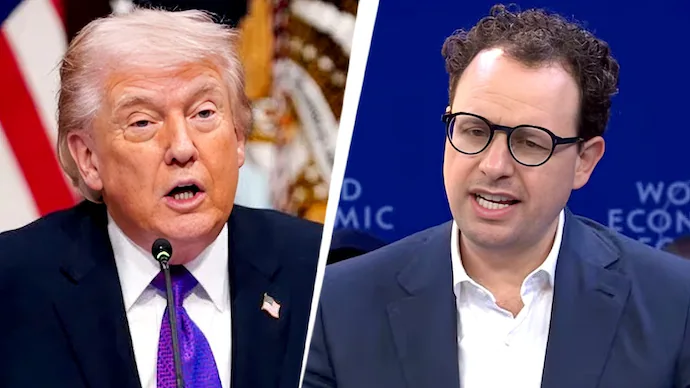
The disagreement between Anthropic and the Trump administration stands out as a major AI policy issue. The argument is about whether a private AI company can decide how its tools are used by the US government. Anthropic, based in San Francisco, built the Claude model. The company refused to allow military use that might involve large-scale monitoring or weapons without human control. The government responded with a presidential order that stopped federal agencies from using Anthropic products. This has started questions about national security, new technology, and rules for AI.
The problem started in 2025. The Pentagon asked Anthropic to change an existing contract. The company had rules against some types of use. Anthropic said giving full access would go against its standards, especially for tools that could support wide monitoring or weapons that run on their own. When talks stopped, the Trump administration took stronger steps.
On February 27, 2026, President Donald Trump directed all federal agencies to stop using Anthropic technology. Defense Secretary Pete Hegseth added Anthropic to a list of national security risks in supply chains. This blocks any company working with the Department of Defense from dealing with Anthropic. The step was presented as needed for security. Some people see it as going too far and setting a bad example for how the government treats private companies.
Anthropic’s CEO Dario Amodei answered right away. He said the company would take the case to court. The point was that the government’s move went past legal limits and hurt business freedom. Amodei said Anthropic’s rules were to stop harm, not to block security needs. Reports showed Claude was used in US military actions against Iran even after the limits. The Pentagon has not given details.
Legal people have noted that AI used for wide monitoring could break rules on privacy and fair process. The case could test how far the government can push private AI companies. By 2030, more cases like this may come as AI enters defense work. The result could set rules for how private companies and the military work together.
The ban also had an unexpected result. Claude became more popular. Downloads went up in app stores in the US and UK after the news. Users liked the model’s independence and the company’s position on rules. This support has put pressure on the administration. Some lawmakers have asked for a review, saying blocking Claude could slow US work in AI.
The wider effect on AI work is clear. Companies now choose between following government orders or holding to their rules. This pressure could slow new ideas in areas where AI meets defense. At the same time, it has started talks about the need for clear rules on AI in military use. People say the US needs a way that keeps security without stopping private work.
The case also shows how AI rules cross borders. The US wants control, but other countries watch. China has its own tight rules on AI, and Europe follows the AI Act. The Anthropic case may shape how these rules develop. It shows that AI companies can push back, but there is a price.
From a technical side, the ban raises questions about how military systems will replace Claude. Other models exist, but none match Claude’s mix of reasoning and safety. The Pentagon may use open-source options or build its own. This change could take time and delay some work.
The case has also affected money from investors. Some firms have stopped funding AI companies that refuse military contracts. Others see Anthropic’s choice as good management. The market has mixed reactions, but Anthropic’s value has stayed steady.
The case may go to court by mid-2026. A decision could clear the limits on government power over private AI companies. If Anthropic wins, it may encourage other companies to set their own rules. If the government wins, it may lead to more limits across the field.
The Anthropic vs Trump disagreement is more than a contract issue. It touches the main question of who controls AI in today’s world. The result will shape how governments and companies work together for years.
If you are ready to enroll, explore the AI course in Pune at Prime Point Institute in Pune. Contact them at +91 84462 73688 or visit their website for enrollment details and upcoming batches.