How AI Will Upgrade Data Science From 2030 Onward?
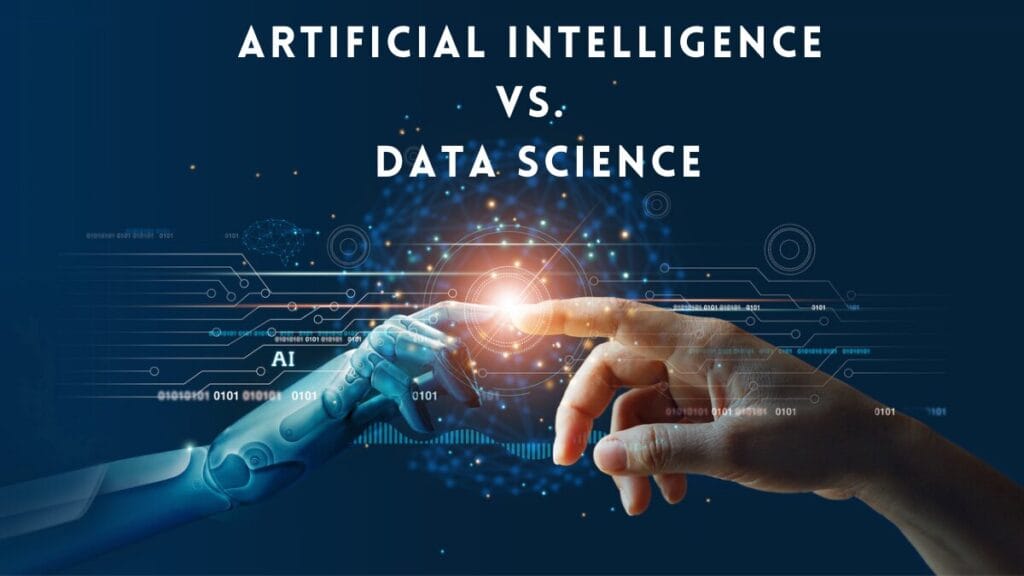
Data science already forms the backbone of how organizations manage information. It relies on statistics, machine learning, and data processing to pull useful details from large collections of records. From 2030 onward, artificial intelligence will push this field further. AI systems carry out tasks that require thinking similar to humans, such as identifying patterns or forming predictions. The two areas will connect more tightly. Organizations will deal with even greater amounts of data from applications and user actions. Big data from these sources will need stronger methods for review to reach business goals. From 2030, AI will change data science by taking on more tasks, speeding up outcomes, and creating new ways to apply information.
One main shift will happen in how data is prepared for use. Today, data scientists spend considerable time cleaning records and fixing errors by hand. AI will handle this step on its own. Tools will scan data sets and remove duplicates or fill gaps without needing constant human direction. This will shorten the time required for preparation. In 2030, most data projects will begin with AI managing the first round of checks. Data scientists will then focus on reviewing the results and deciding the overall direction. This change will allow teams to complete work faster and manage larger data sets without added staff.
AI will also strengthen the process of building predictive models in data science. Current machine learning methods often require data scientists to select algorithms and adjust settings through repeated tests. From 2030, AI will suggest the most suitable options based on the data at hand. It will run tests on different models and select the one that performs best. This will cut down on trial and error. Data scientists will still make the final choice on the setup, but the overall process will move quicker. In sectors like finance, this will mean faster checks on risk from transaction records. In healthcare, it will speed up diagnosis from patient files by suggesting the right models for review.
Natural language processing will widen the reach of data science. Today, a large part of the work deals with structured data such as numbers in tables. From 2030, AI will manage text from reports, emails, and social media sources. It will pull out main points and sentiments from this material. This will add context to numerical data. For instance, sales records can be paired with customer comments to explain changes in numbers. Data science will use this combination to provide more complete views for decisions.
Real-time processing will become a regular part of data science. Current methods often wait for batches of data to collect before starting analysis. AI will allow review as data arrives. This will be useful in areas like transport, where sensor data from vehicles needs immediate checks for route changes. By 2030, real-time AI analysis will be standard in 60% of data science applications. This will help organizations react to changes without waiting.
Data visualization will see clear improvements. Data scientists already use charts to show findings. AI will create these visuals on its own and point out the main trends. This will make results simpler to share with teams that lack technical backgrounds. The time spent on reports will decrease. Data scientists will spend more time on the meaning behind the numbers.
AI will introduce new tools for working with unstructured data. Today, text, images, and video are difficult to use in analysis. From 2030, AI will turn these into numbers that data science can review. This will open new areas in fields like marketing, where customer videos and posts can be examined for trends. The combination will allow data science to work with more kinds of information than before.
In healthcare, AI will strengthen data science for patient care. Models will review medical records and test results together. This will help identify patterns that point to risks before they develop. Data scientists will set the rules for these models and check the outputs. By 2030, hospitals will use this mix for most treatment plans. The result will be faster and more accurate care based on the full set of patient data.
In finance, AI will speed up fraud checks. Data science already reviews transaction records. AI will watch in real time and flag unusual patterns. Banks will depend on this for security. Data scientists will train the models and set the limits. This will reduce losses from fraud. The process will move from batch checks to continuous monitoring.
In agriculture, AI will support data science with crop planning. Sensors in fields send data on soil and weather conditions. AI will process this quickly to suggest planting times. Farmers will use the results for better yields. Data scientists will check the models for accuracy. The combination will lead to more efficient use of land and resources.
The upgrade will create new job roles. Data scientists will guide AI tools and explain the results. This will require skills in both fields. By 2030, many positions will combine data science and AI work. Training programs will cover both to prepare people for these jobs. The demand for these hybrid roles will grow as organizations adopt AI more widely.
AI will assist with ethical checks in data science. Today, data scientists review models for bias. AI will flag possible problems early. Data scientists will still make the final decision. This will reduce risks in areas like hiring or lending. The process will become more consistent while keeping human oversight.
Challenges will remain. AI needs clean data to work well. Data scientists will still handle preparation and checks. Over-reliance on AI could lead to errors if the models are wrong. Regulations will require human review for important decisions. Privacy rules will limit how data is used. Data scientists will need to follow these rules to keep operations legal.
The cost of AI tools will decrease by 2030. This will let smaller organizations use data science with AI support. Training will become more common. People will learn to use AI for data tasks without deep coding knowledge. This will open the field to more workers and organizations.
In daily life, AI will upgrade data science for personal use. Smart devices will analyze user data for suggestions. Data scientists will set the rules for these systems. This will make devices more useful without losing control. The combination will affect how people manage their routines, from health tracking to shopping choices.
The combination will support growth in all sectors. Data science will provide the base. AI will add speed and scale. The result will be better decisions and new services. Organizations will depend on both for their work. The field will grow as more people learn to use it. By 2030, data science with AI will be standard in business, healthcare, and transport. The upgrade will come from better tools and clearer rules.
If you are ready to enroll, explore the data science course in Pune and AI Course in Pune at Prime Point Institute in Pune. Contact them at +91 84462 73688 or visit their website for enrollment details and upcoming batches.